
7 imagini furnizate de magazinul partener
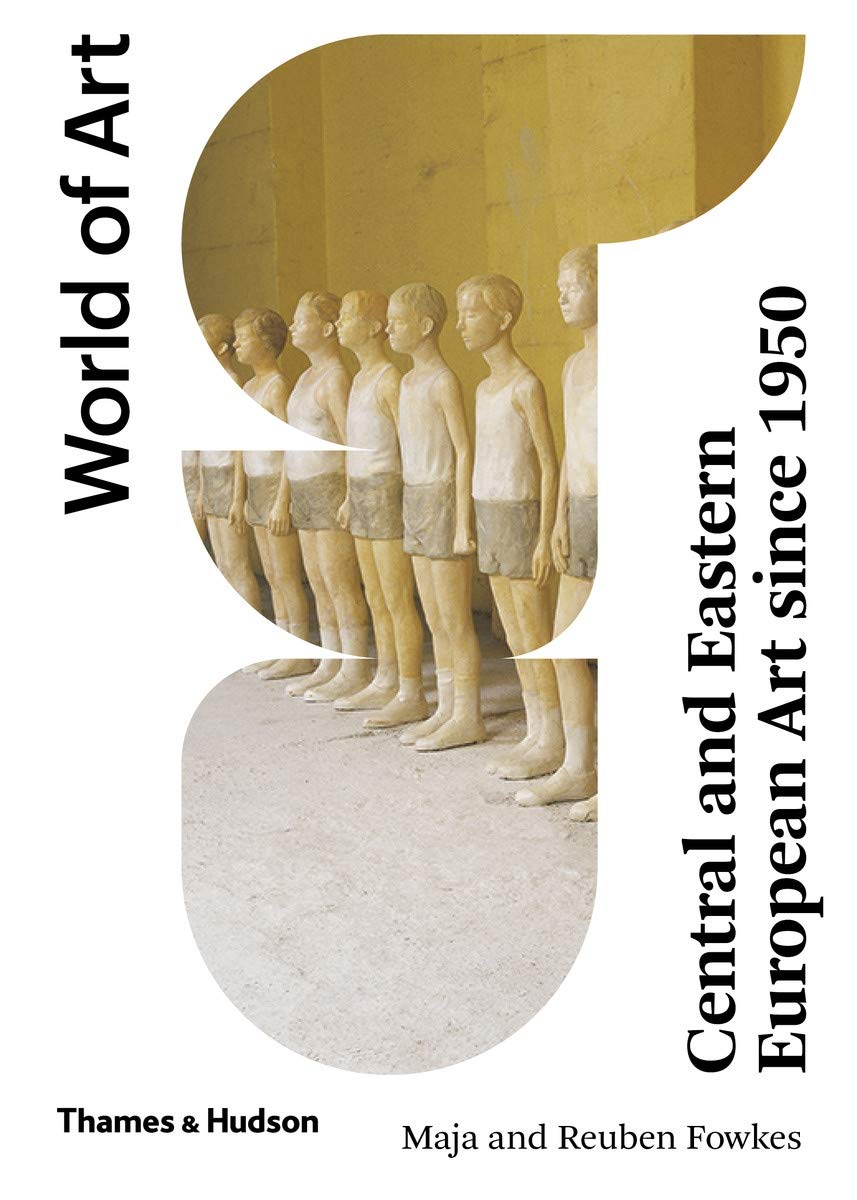
Central and Eastern European Art Since 1950 | Maja Fowkes, Reuben Fowkes
Editură / brand: Thames & Hudson Ltd
Preț în magazin
104,00 RON
COfertă de la carturesti.roPrețul final se confirmă în magazin
Vezi oferta în magazin↗Vei fi redirecționat către site-ul partenerului. Disponibilitatea nu este garantată de TârgulDeCărți.
✓
Preț actualizatdin feedul magazinului
↗
Cumpărare sigurădirect de la partener
Alertă gratuită
Te anunțăm când scade prețul
Lasă numărul de WhatsApp și primești un singur mesaj când produsul devine mai ieftin.
Descriere
In this path-breaking new history, Maja and Reuben Fowkes introduce outstanding artworks and major figures from across central and eastern Europe to reveal the movements, theories and styles that have shaped artistic practice since 1950. They emphasize the particularly rich and varied art scenes of Poland, Czechoslovakia,Hungary and Yugoslavia, extending their gaze at intervals to East Germany, Romania,the Baltic states and the rest of the Balkans.While politics in the region have been marked by unstable geography and dramatic transitions, artists have forged a path of persistent experiment and innovation. This generously illustrated overview explores the richness of their singular contribution to recent art history. Tracing art-historical changes from the short-lived unison of the socialist realist period to the incredible diversity of art in the post-communist era, the authors examine the repercussions of political events on artistic life notably the uprisings in Hungary and Czechoslovakia, the Solidarity movement in Poland, and the collapse of the communist bloc. But their primary interest is in the experimental art of the neo-avant-garde that resisted official agendas and engaged with global currents such as performance art, video, multimedia and net art.Table of ContentsIntroduction 1. 1950s: Competing Paths to a Higher Form of Realism 2. 1960s: Gestures of Liberation 3. 1970s: Practising Impossible Art 4. 1980s: Excesses of Non-Conformity 5. 1990s: Critical Exposures 6. 2000s: Radical Recollections of the Global Transitioners 7. 2010s: Sculpting Uncertainty Conclusion


