
Imagine furnizată de magazinul partener
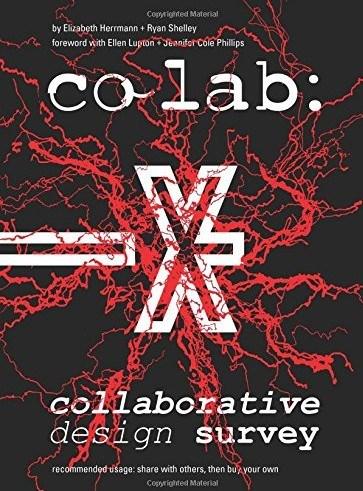
Co Lab: Collaborative Design Survey | Elizabeth Herrmann, Ryan Shelley
Editură / brand: BIS Publishers B.V.
Preț în magazin
171,00 RON
COfertă de la carturesti.roPrețul final se confirmă în magazin
Vezi oferta în magazin↗Vei fi redirecționat către site-ul partenerului. Disponibilitatea nu este garantată de TârgulDeCărți.
✓
Preț actualizatdin feedul magazinului
↗
Cumpărare sigurădirect de la partener
Alertă gratuită
Te anunțăm când scade prețul
Lasă numărul de WhatsApp și primești un singur mesaj când produsul devine mai ieftin.
Descriere
The object of Co LAB is to promote the ideals and methods of contemporary design collaboration by informing on cultural context, surveying some unexpected practitioners, and highlighting techniques and practices that apply to studio work and forward-thinking education initiatives. There will be three main sections with 10-20 short-burst chapters in each, befitting the collection/handbook format. 1. Collaboration+Culture: Why Collaborate? This section addresses specific topics on the strides, setbacks, and influence of collaboration on our culture. By asking whats happening? and distilling theory and research down into a palatable set of very brief essays with a heavy use of photographic examples, we better understand how the cultural puzzle pieces fit and how to move forward. 2. Collaboration+Design: Theory at Work Case Studies and guest profiles of collaborative. Some designers and artists generate their own spread or written narrative, while others are profiled by the authors. Brief and diverse, the quantity and curation of profiles illuminate behind-the-scenes processes, while providing perspectives that do not exist in any other design resources. 3. Collaboration+Education: Duo It Yourself Neil Postman argued that we must reclaim education from mere job training and that interaction is ground zero for shifting a culture. Projects, programs, and themes are highlighted, many from collegiate education, including the growing block of open-ended hacker/make spaces and areas of study that blend technology, design, art, and engineering. The authors build an argument for presentness, collaboration, and physical proximity in modern design education and professional practice.


