Imagine furnizată de magazinul partener
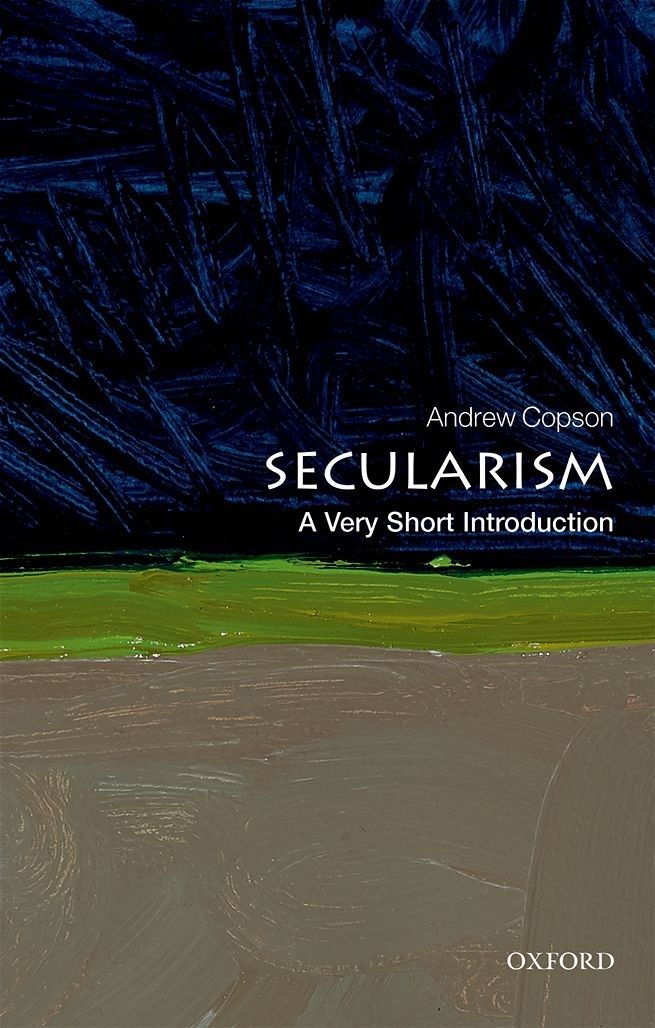
Secularism: A Very Short Introduction | Andrew Copson
Editură / brand: Oxford University Press
Preț în magazin
56,00 RON
COfertă de la carturesti.roPrețul final se confirmă în magazin
Vezi oferta în magazin↗Vei fi redirecționat către site-ul partenerului. Disponibilitatea nu este garantată de TârgulDeCărți.
✓
Preț actualizatdin feedul magazinului
↗
Cumpărare sigurădirect de la partener
Alertă gratuită
Te anunțăm când scade prețul
Lasă numărul de WhatsApp și primești un singur mesaj când produsul devine mai ieftin.
Descriere
Until the modern period the integration of church (or other religion) and state (or political life) had been taken for granted. The political order was always tied to an official religion in Christian Europe, pre-Christian Europe, and in the Arabic world. But from the eighteenth century onwards, some European states began to set up their political order on a different basis. Not religion, but the rule of law through non-religious values embedded in constitutionsbecame the foundation of some states - a movement we now call secularism. In others, a de facto secularism emerged as political values and civil and criminal law altered their professed foundation from a shared religion to a non-religious basis.Today secularism is an increasingly hot topic in public, political, and religious debate across the globe. It is embodied in the conflict between secular republics - from the US to India - and the challenges they face from resurgent religious identity politics; in the challenges faced by religious states like those of the Arab world from insurgent secularists; and in states like China where calls for freedom of belief are challenging a state imposed non-religious worldview. In this VeryShort Introduction Andrew Copson tells the story of secularism, taking in momentous episodes in world history, such as the great transition of Europe from religious orthodoxy to pluralism, the global struggle for human rights and democracy, and the origins of modernity. He also considers the role ofsecularism when engaging with some of the most contentious political and legal issues of our time: 'blasphemy', 'apostasy', religious persecution, religious discrimination, religious schools, and freedom of belief and freedom of thought in a divided world.