
Imagine furnizată de magazinul partener
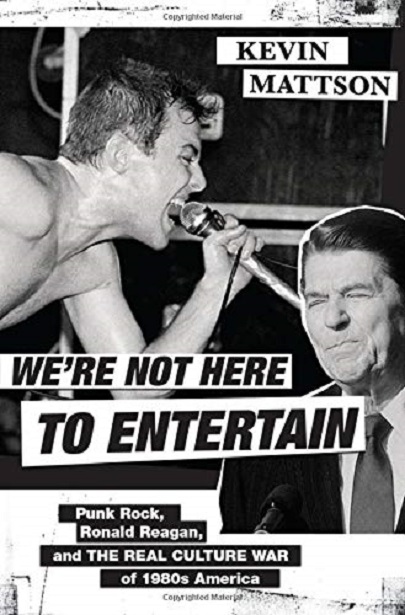
We're Not Here to Entertain | Kevin Mattson
Editură / brand: Oxford University Press Inc
Preț în magazin
122,00 RON
COfertă de la carturesti.roPrețul final se confirmă în magazin
Vezi oferta în magazin↗Vei fi redirecționat către site-ul partenerului. Disponibilitatea nu este garantată de TârgulDeCărți.
✓
Preț actualizatdin feedul magazinului
↗
Cumpărare sigurădirect de la partener
Alertă gratuită
Te anunțăm când scade prețul
Lasă numărul de WhatsApp și primești un singur mesaj când produsul devine mai ieftin.
Descriere
We remember the 1980s as the era of Ronald Reagan, a conservative decade populated by preppies and yuppies dancing to a soundtrack of electronic synth pop music (the "MTV generation"). But the decade also produced some of the most creative works of punk rock - not just the music of bands like the Minutemen and the Dead Kennedys, but also visual arts, literature, poetry, and film. Kevin Mattson documents what Kurt Cobain once called a "punk rock world." He shows just how widespread the movement became, and how democratic (not at all New York-centric), due to its commitment to Do-It-Yourself (DIY) ethics. Mattson puts this movement into a wider context, telling about a culture war that punks opened up against the sitting president. Reagan's talk about end days and nuclear warfare made kids panic; his tax cuts for the rich and simultaneous slashing of school lunch program funding made punks seethe at his meanness. The anger went deep, since punks saw Reagan as the country's entertainer-in-chief - his career (from radio to Hollywood and television) synched to the very world punks rejected. Through deep archival research, Mattson reignites the heated debates that punk's opposition generated - about everything from "straight edge" ethics to anarchism to the art of dissent. By reconstructing the world of punk, Mattson shows that it was more than just a style of purple hair and torn jeans. And in so doing, he reminds readers of its importance and its challenge to simplistic assumptions about the 1980s as a one-dimensional, conservative epoch.


